
Ultrasonic Metal Welding: Working Principle, Advantages, Industry Applications
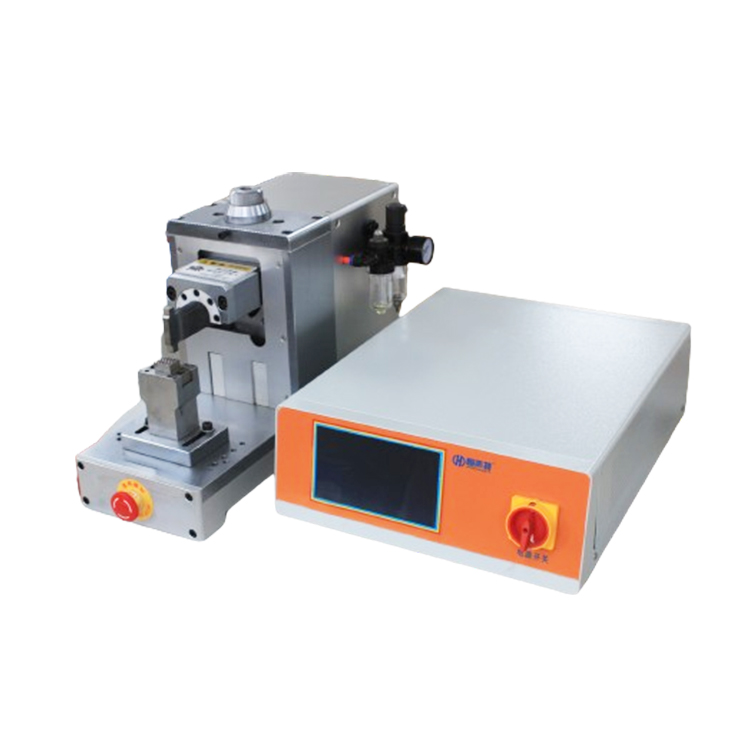
Ultrasonic metal welding is a high-precision, eco-friendly solid-state joining technology widely used in modern industrial manufacturing. It replaces traditional thermal welding, adhesive bonding, riveting, and stitching processes to achieve stable connection between metal workpieces. With low energy consumption, zero pollution, and high precision characteristics, this technology is extensively applied in consumer electronics, automotive, aerospace, and medical industries.
Most industrial practitioners and beginners lack systematic understanding of ultrasonic metal welding. This article elaborates on its definition, working principle, core advantages, application scenarios, and common FAQs, providing comprehensive technical reference for procurement, production, and technical research.
1. What Is Ultrasonic Metal Welding?
Ultrasonic metal welding is a professional physical solid-state welding process that joins two or multiple metal components and flange materials. Different from traditional welding that relies on high temperature or electric arc to melt base materials, this technology uses high-frequency ultrasonic vibration and constant pressure to realize workpiece integration without high-temperature heating or melting assistance.
Key feature: No auxiliary materials required. It needs no welding wire, glue, fasteners, or embossed accessories, effectively avoiding common defects of traditional processes such as adhesive aging, material loss, and loose connection.
Technology development history
-
1960: The world’s first ultrasonic metal welding patent was officially approved, marking the formal industrial application of the technology.
-
1965: Engineers verified that ultrasonic welding is compatible with metals and non-metallic plastic materials, greatly expanding its industrial application scope.
2. Working Principle of Ultrasonic Metal Welding
Ultrasonic metal welding completes bonding through constant pressure + high-frequency ultrasonic micro-vibration. The whole process takes only 0.1–3 seconds, fully adapting to automated assembly line production.
Complete working process
-
Clamping and positioning: The welding head presses the upper and lower workpieces tightly to ensure close fitting of contact surfaces and stable pressure.
-
Ultrasonic vibration transmission: The equipment outputs high-frequency ultrasonic waves, which penetrate the workpieces and focus on the material contact interface.
-
Instant friction fusion: High-speed micro-vibration generates instantaneous friction heat at the interface, softening the metal surface without overall melting of the workpiece.
-
Pressure cooling and forming: Stop ultrasonic vibration, maintain constant pressure for natural cooling, and form a stable metallurgical bonding layer to realize integrated welding.
The whole process involves no chemical reaction, no high-temperature burning, no material flow, maximizing the retention of the original physical and chemical properties of metal materials.